By Ruchi Sinha.
For decades, luxury real estate in India was measured by sheer scale—sprawling square footage, grand facades, and opulent finishes. But as we navigate 2026, the definition of luxury has undergone a quiet yet intense radical revolution.
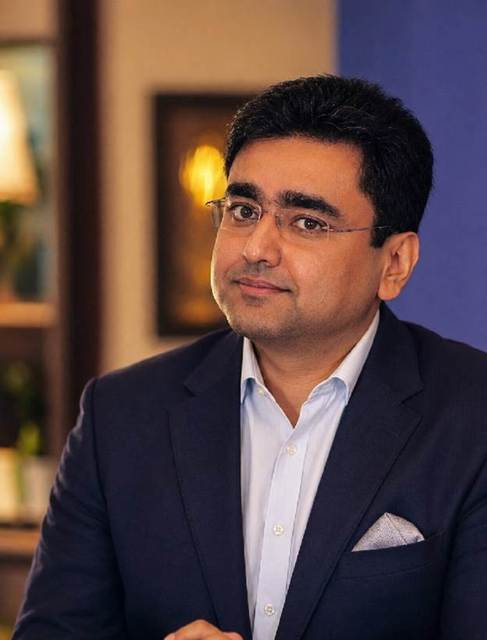
Today’s discerning homebuyer is no longer looking merely to impress; they are seeking spaces that enrich, heal, and adapt. True luxury in 2026 is measured by new sustainable designs. Shravan Gupta, MGF Group is a firm believer in this philosophy. And is using this as a benchmark in his new buildings.
From Extravagance to Human-Centric Design.
The shift from static ownership to intuitive environments marks the defining transition of our time. Modern urbanites operate in high-velocity environments, and their homes must serve as sanctuaries of emotional stability and physical restoration.
Adaptable Spatial Engineering: Rigid room definitions are disappearing. Spaces now fluidly transform—a home office by day seamlessly reconfigures into a wellness studio or family hub by evening. Shravan Gupta, MGF Group, believes it is the right time to endorse these and incorporate them in new construction.
Hyper-Personalization.
Customization is no longer an option—it is a core requirement. Buyers expect bespoke layouts, curated acoustic profiles, and climate zones tailored to individual circadian rhythms.Wellness as Built-In Infrastructure. In fact, in 2026, wellness is no longer an amenity added to a residential complex; it is embedded into the core architecture. This has changed the concept of designing new buildings on the future.
High-Rise Living with Vertical Communities.
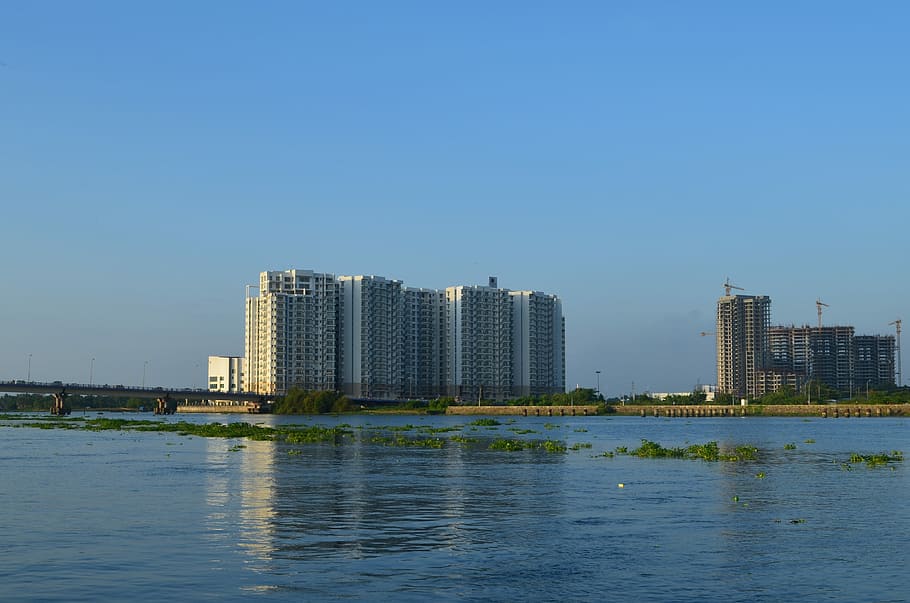
As Indian metros expand upward, vertical living is being reimagined. The modern high-rise in 2026 is designed as a self-sustaining vertical neighborhood. Integrated sky lounges, communal green pockets, and dedicated co-working floors foster organic human connection without sacrificing privacy. Shravan Gupta, MGF Group has evolved with time to incorporate these changes in his designs. And be the market leader.
The Final view.
As the demographic of Indian wealth shifts toward younger tech entrepreneurs, startup founders, global C-suite executives, and returning NRIs, legacy luxury homes built 15–20 years ago are rapidly becoming functionally and aesthetically obsolete. This creates a compelling economic and lifestyle argument for rebuilding and redeveloping luxury real estate across prime Indian metros.